
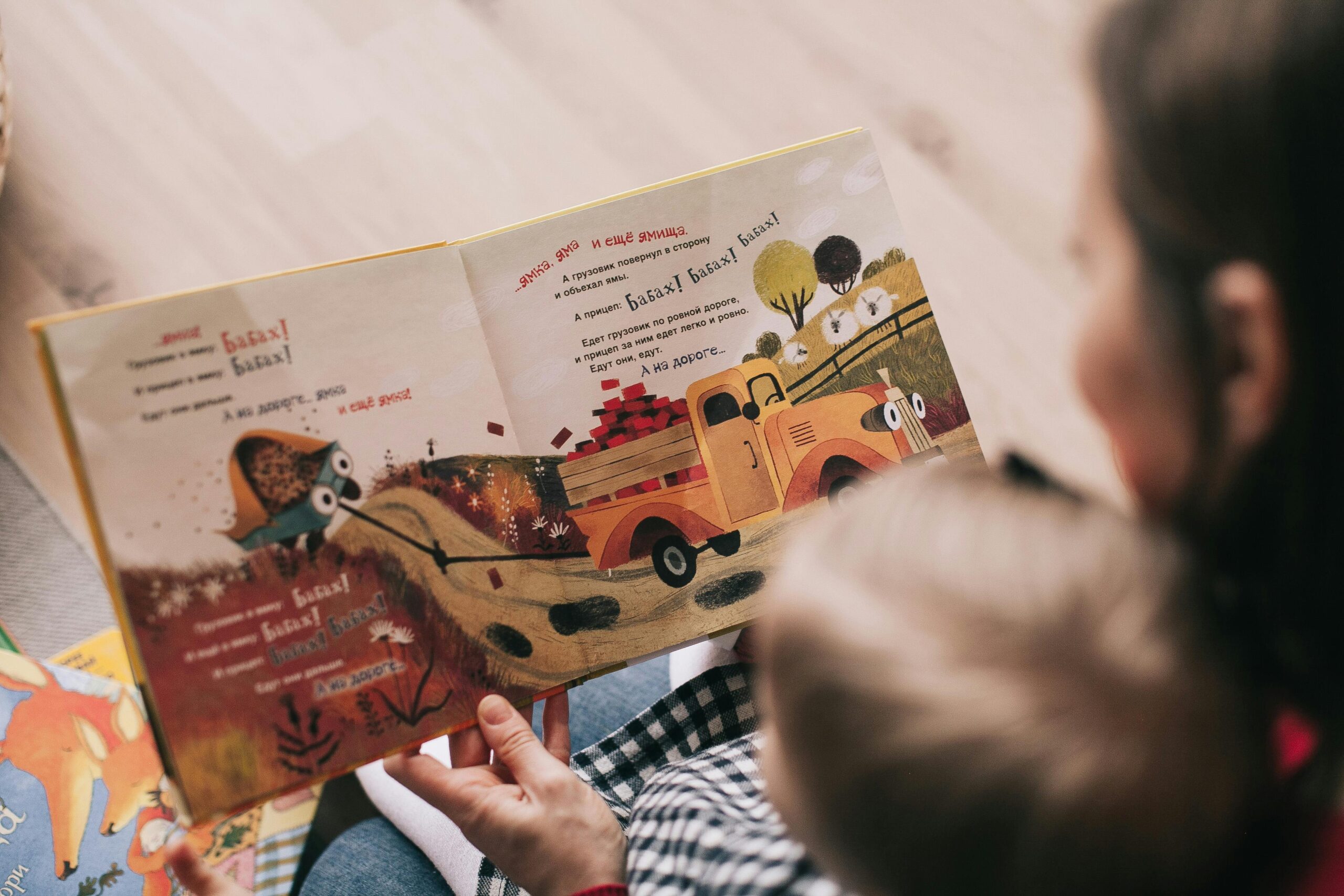
Developing a strong reading habit in childhood is one of the most reliable predictors of academic success, emotional well-being, and lifelong learning. While schools provide structured instruction, it is the home environment—guided by parents—that shapes the earliest attitudes toward books and language. In India, where access to print materials varies widely and early literacy levels remain a national concern, the role of parents becomes central to ensuring that children develop a love for reading.
This article synthesises research findings from India and global studies to explain why parents matter, what the data shows, and how families and schools can work together to build strong reading habits.
Why Parents Matter
Research from NCERT, UNESCO, and international literacy studies consistently shows that early reading experiences at home form the foundation for vocabulary growth, comprehension, imagination, and attention. NCERT’s Early Language and Literacy Study (2017) found that children exposed to reading, storytelling, and rhymes at home scored 30–40% higher in vocabulary and oral-language tasks when entering preschool. Such early interactions leave long-lasting effects on learning readiness.
Parents contribute by:
Introducing children to books and stories
Creating a positive emotional environment around reading
Modelling reading behaviour
Strengthening vocabulary through conversations
Even 10–15 minutes of shared reading each day can significantly enhance a child’s reading development.
What Indian Data Tells Us
National surveys and studies indicate that while parents play a crucial role, many homes in India face challenges in providing consistent reading support.
ASER 2022 reports that only around 25% of rural children have a children’s book at home, limiting early exposure to print.
NFHS-5 (2019–21) shows that less than one-third of Indian parents engage in activities like reading or storytelling with children aged 3–5 years.
NCERT studies highlight that many parents hesitate to read aloud because of limited confidence in English or their own literacy skills.
UNESCO and UNICEF India reports emphasise that children from homes with regular storytelling and reading show significantly better readiness in vocabulary, comprehension, and oral expression.
The data indicates a clear gap: while parents have the potential to shape reading habits, many require resources, time, or guidance to do so effectively.
Impact of Home Literacy Environment
The Home Literacy Environment (HLE) is one of the strongest predictors of early reading success. Research combining Indian and international findings shows:
Children with supportive home reading environments are twice as likely to become independent readers by Class 3.
Conversations at home predict up to 15% of variations in Grade 3 reading outcomes (NCERT and UNESCO analysis, 2021).
Indian early literacy initiatives such as Pratham’s Read India and Room to Read have demonstrated 20–25% improvement in children’s reading fluency when parents participate in simple home-reading routines.
These findings confirm that the home plays an equally important role as the school in shaping reading outcomes.
Barriers Faced by Indian Parents
Several challenges reduce the frequency and quality of home reading practices:
Limited Time: Many families juggle long work hours and irregular schedules.
Limited Access: ASER reports that 40–60% of rural homes lack children’s books.
Parental Literacy: NFHS-5 shows that many parents have not completed basic schooling, which limits their confidence in reading aloud.
Screen Exposure: Children aged 5–11 spend 3–4 hours a day on mobile devices, reducing time available for reading.
Language Anxiety: Some parents believe reading must be done in perfect English, which discourages them from reading in their mother tongue.
These barriers point to the need for supportive, realistic strategies rather than pressure on families.
Evidence-Based Ways Parents Can Build Reading Habits
Research highlights several simple, effective practices that parents can adopt at home:
Read Aloud Daily: Just 10–15 minutes a day significantly improves vocabulary, comprehension, and attention.
Use the Mother Tongue: Reading and storytelling in Hindi, Urdu, Tamil, Bengali, Telugu, or any home language is equally effective.
Provide Books: Having even 5–10 storybooks at home increases reading motivation and familiarity with print.
Encourage Conversations: Talking about everyday life, asking questions, and discussing stories enhances language skills.
Model Reading: Children imitate adults. When parents read newspapers, magazines, or digital articles, children perceive reading as a natural activity.
These approaches are simple, low-cost, and powerful.
How Schools and Communities Can Support Parents
Parents thrive when schools and communities offer guidance and resources. Research from Indian foundational literacy initiatives suggests:
Providing free or low-cost storybooks increases home reading by 30–45%.
Parent workshops or WhatsApp videos demonstrating how to read aloud improve parental confidence.
Encouraging reading in home languages removes anxiety and increases participation.
Community libraries, reading corners, and storytelling events normalise book-based activities for families.
A collaborative ecosystem ensures that children experience reading as part of daily life, not only schoolwork.
A Forward-Looking Vision for India
As India strengthens its commitment to foundational literacy through NEP 2020 and NIPUN Bharat, the role of parents is more important than ever. When parents read, talk, and engage with their children, they lay the foundation for school success, emotional resilience, and lifelong curiosity.
Research from India and around the world confirms a simple truth:
Homes that read create children who thrive.
Help Me Read aims to support this national movement by offering research-based guidance, accessible resources, and practical tools to empower parents and teachers. Together, we can build a reading culture that reaches every child, in every home, across India.